
Infographics explaining data security risks
Infographics Explaining Data Security Risks: Protect Your Data Today
Learn about the top data security risks through detailed infographics. Understand threats like phishing, ransomware, and insider attacks to protect your sensitive data.
Table of Contents
- Introduction
- Why Data Security Matters
- Common Data Security Risks (Infographic)
- How to Protect Your Data
Introduction
Data security is a growing concern in today’s digital world. Cybercriminals are constantly developing new methods to breach systems, steal sensitive data, and disrupt businesses. A single data breach can cost companies millions of dollars and irreparably damage their reputation.
In this blog, we use infographics to explain data security risks and provide actionable tips to safeguard your information.
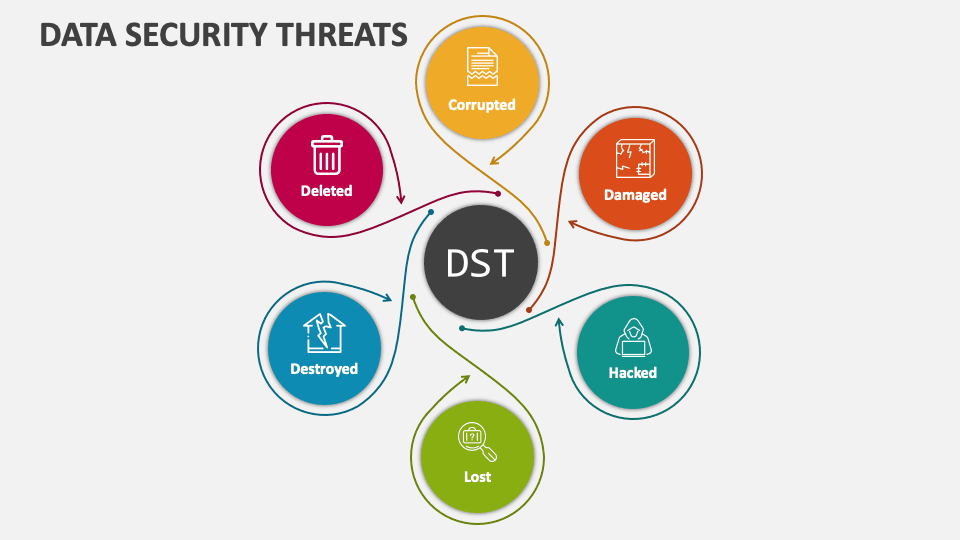
Why Data Security Matters
Data security is essential for individuals, businesses, and organizations. Here’s why:
- Prevents Data Breaches: Protects sensitive information from unauthorized access.
- Ensures Privacy Compliance: Helps businesses adhere to regulations like GDPR and HIPAA.
- Reduces Financial Loss: Avoids costly penalties, legal issues, and loss of customer trust.
- Maintains Business Reputation: Protects brand image and customer loyalty.
Did you know? According to IBM, the average cost of a data breach in 2023 was $4.45 million.
Common Data Security Risks (Infographic)
Here are the most common data security risks, explained through infographics:
1. Phishing Attacks
🔹 What is it?
Cybercriminals send fake emails or messages to trick users into providing sensitive information.
🔹 How to prevent it?
✅ Never click on suspicious links.
✅ Verify the sender before sharing information.
✅ Use anti-phishing software.
2. Ransomware
🔹 What is it?
Malicious software that encrypts files and demands payment for decryption.
🔹 How to prevent it?
✅ Regularly back up important data.
✅ Avoid downloading files from unknown sources.
✅ Use strong antivirus protection.
3. Insider Threats
🔹 What is it?
Employees or partners misuse access to steal or leak data.
🔹 How to prevent it?
✅ Limit access to sensitive data.
✅ Conduct regular security training.
✅ Monitor employee activities.
4. Weak Passwords
🔹 What is it?
Easily guessable passwords make accounts vulnerable to hacking.
🔹 How to prevent it?
✅ Use complex passwords with symbols, numbers, and uppercase letters.
✅ Enable two-factor authentication (2FA).
✅ Avoid using the same password for multiple accounts.
5. Unsecured Cloud Storage
🔹 What is it?
Improperly configured cloud servers expose data to cybercriminals.
🔹 How to prevent it?
✅ Use encryption for cloud-stored data.
✅ Enable access control settings.
✅ Regularly audit cloud security policies.
📌 [Download Infographic on Data Security Risks] (Include a downloadable infographic here for user engagement.)
How to Protect Your Data
Use these best practices to safeguard your sensitive information:
1. Use Encryption
🔹 Encrypt data at rest and in transit to prevent unauthorized access.
2. Enable Multi-Factor Authentication (MFA)
🔹 Adds an extra security layer by requiring verification beyond a password.
3. Regularly Update Software
🔹 Patch vulnerabilities by keeping operating systems and applications up to date.
4. Train Employees on Cybersecurity
🔹 Educate staff on recognizing phishing emails, malware, and security best practices.
5. Implement Access Controls
🔹 Restrict user access based on roles and responsibilities.
6. Conduct Security Audits
🔹 Regularly review and improve cybersecurity measures.
Conclusion
Data security risks are evolving, and businesses must stay ahead of threats. By understanding common risks and implementing strong security measures, you can protect sensitive data and prevent cyberattacks.
🔹 Want to improve your data security? Start by using encryption, strong passwords, and employee training to reduce risks.
📌 Share this infographic with your team and friends to spread cybersecurity awareness!